Shopping Cart

Your cart is currently empty
Looks like you haven’t added anything to your cart yet.
← Return to Shop
Looks like you haven’t added anything to your cart yet.
← Return to Shop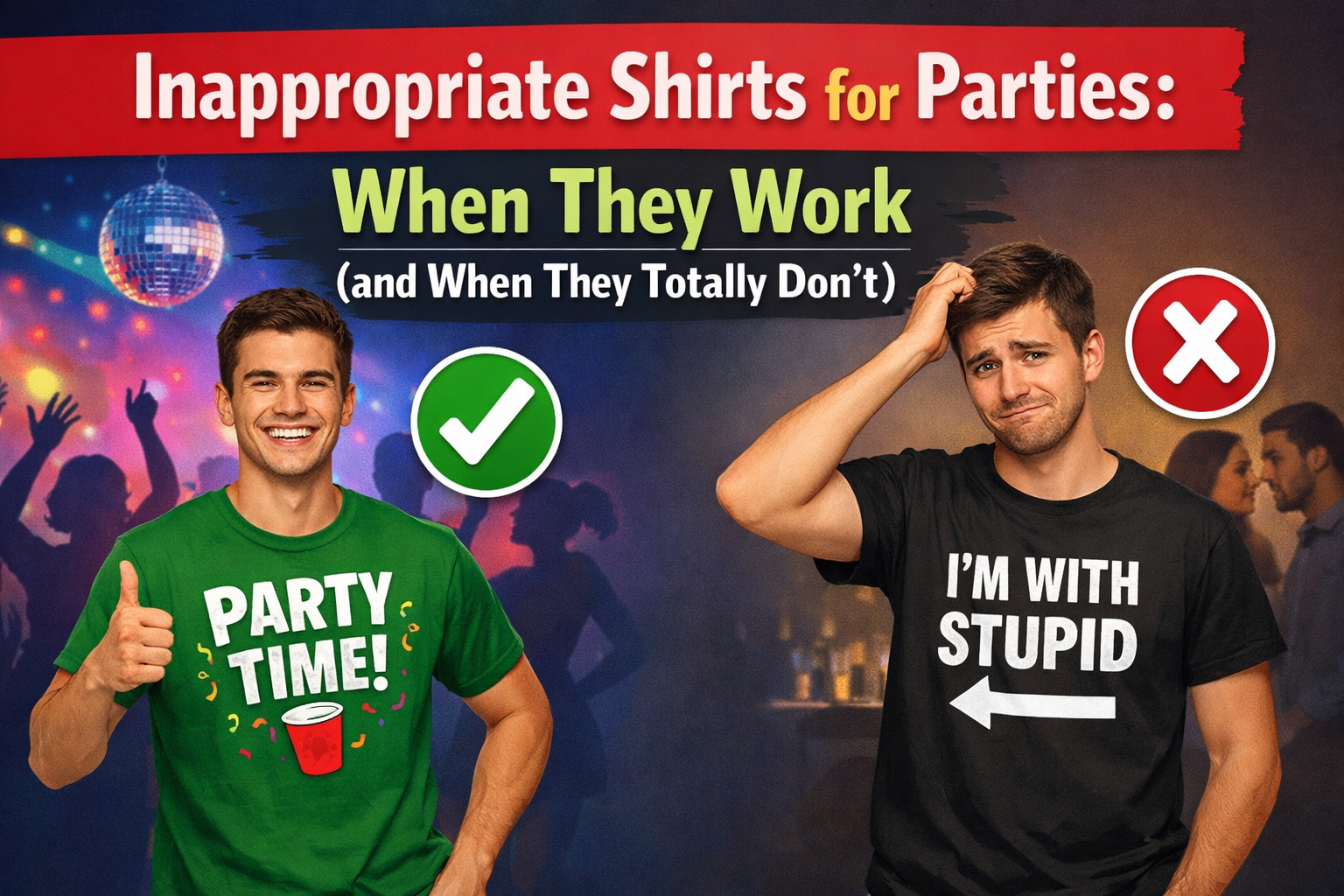
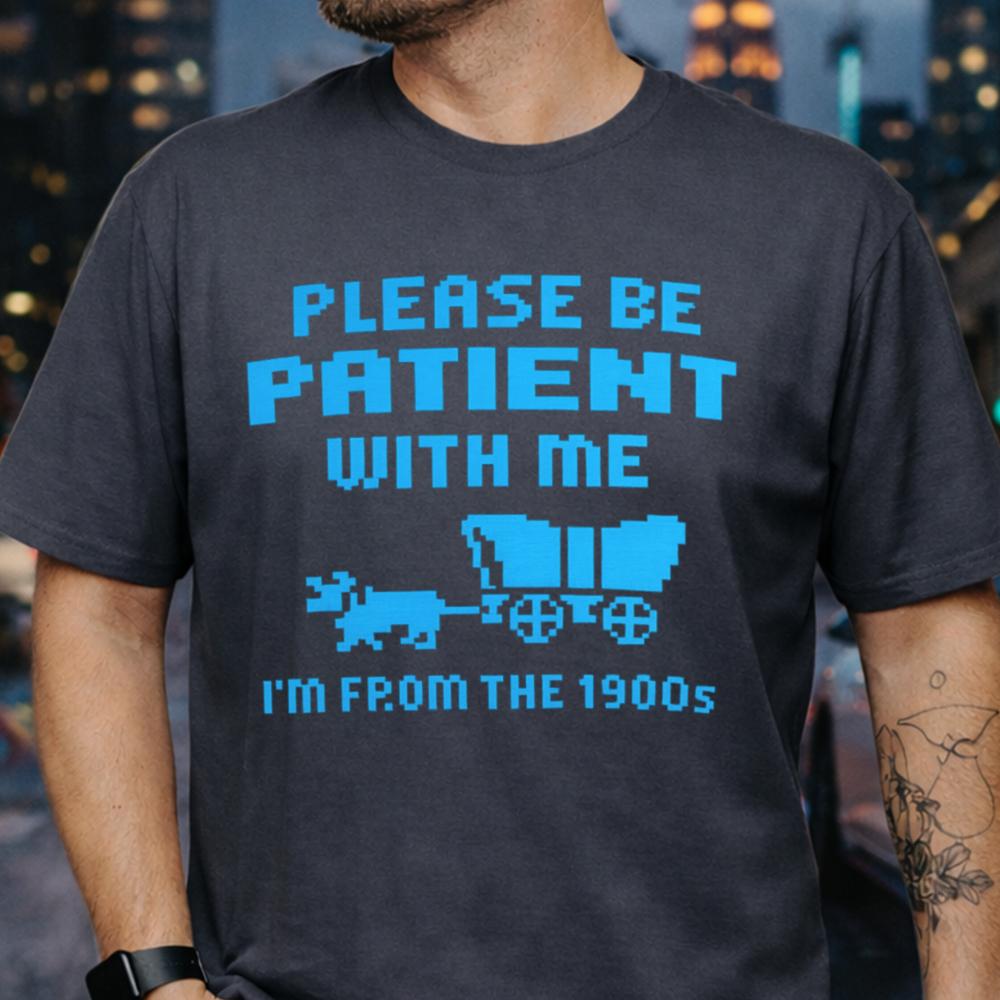
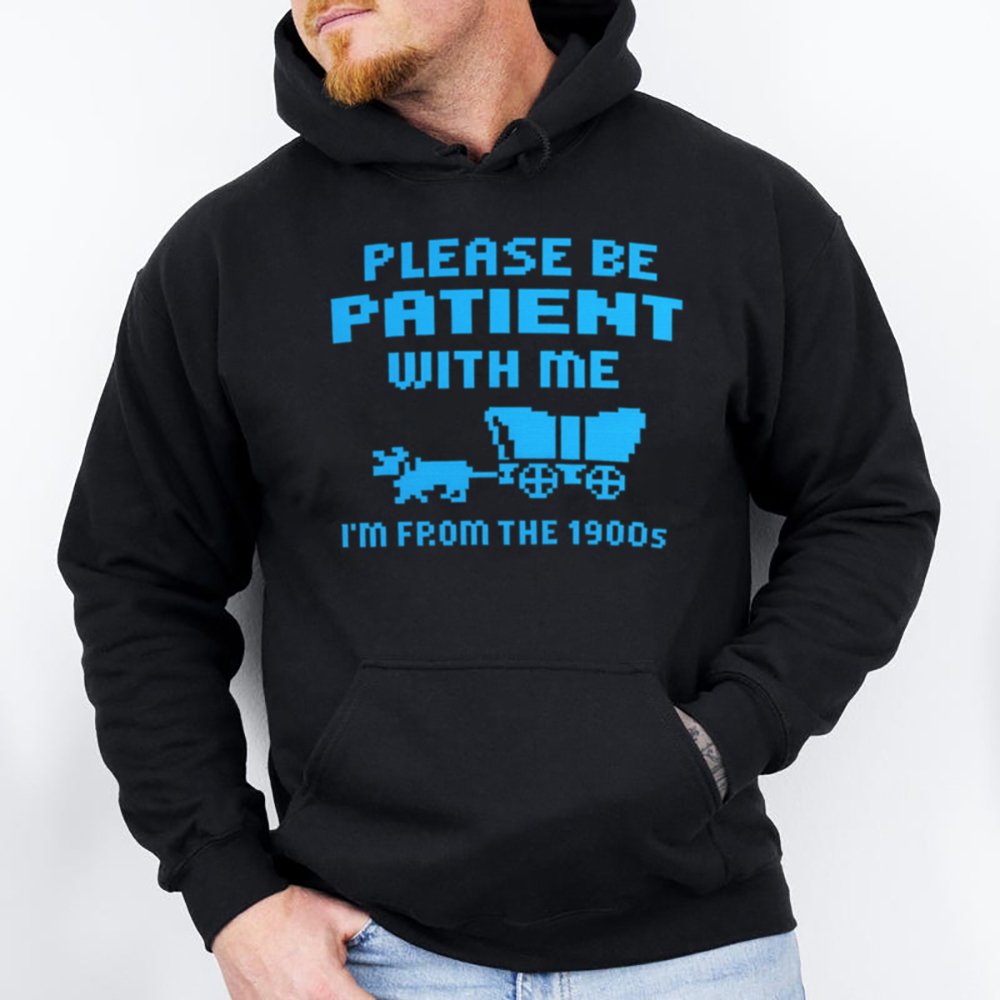
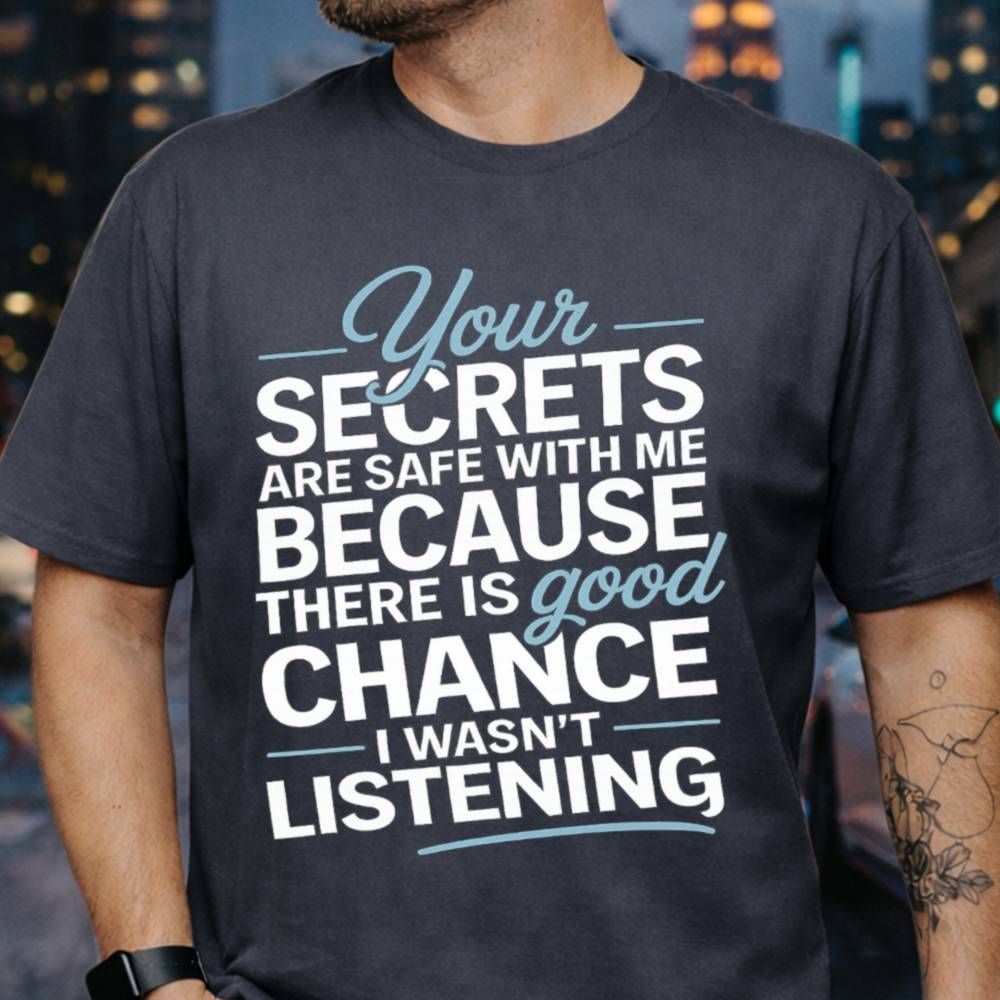
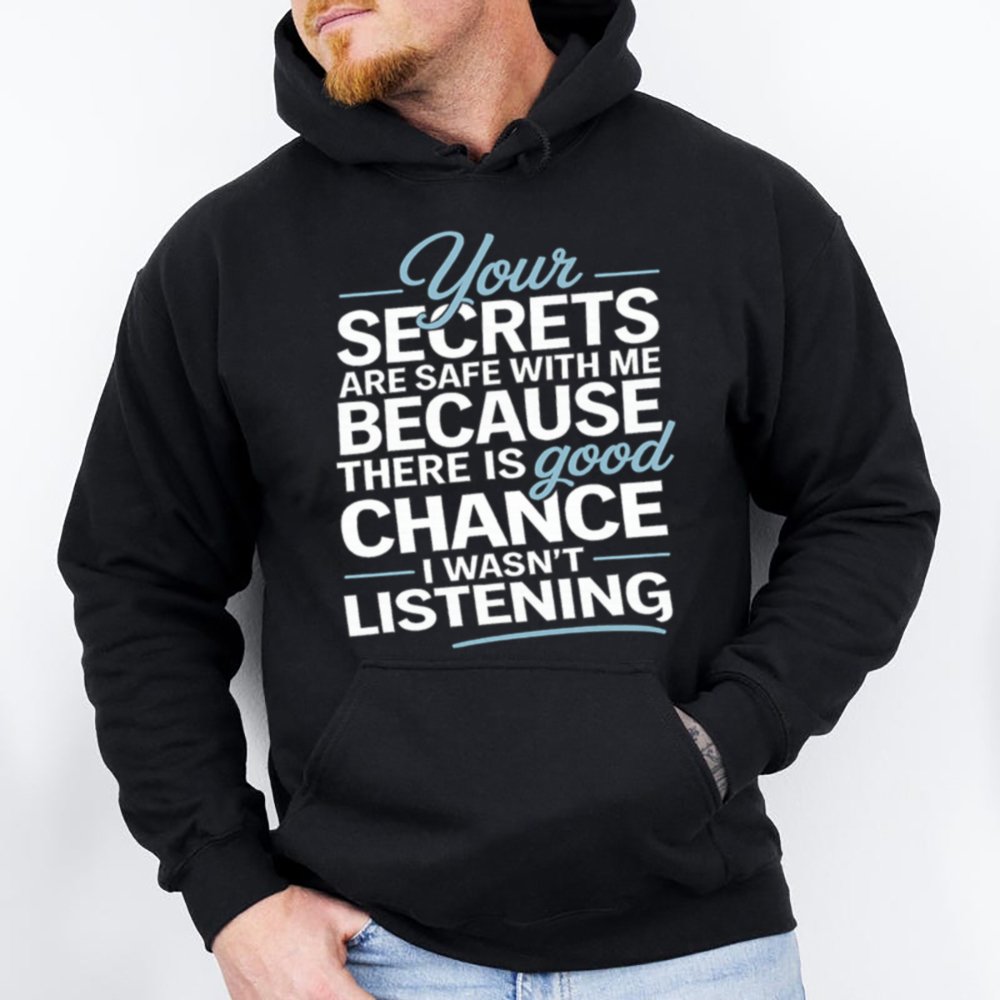
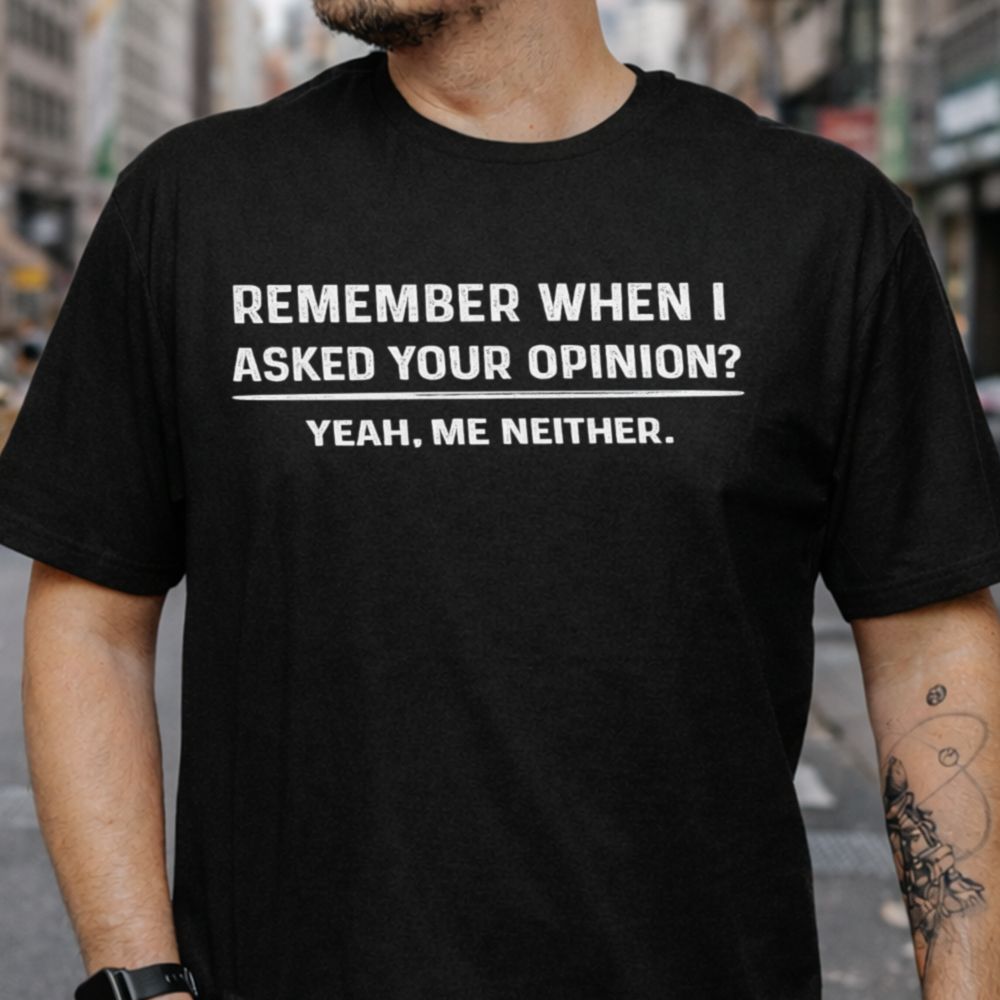
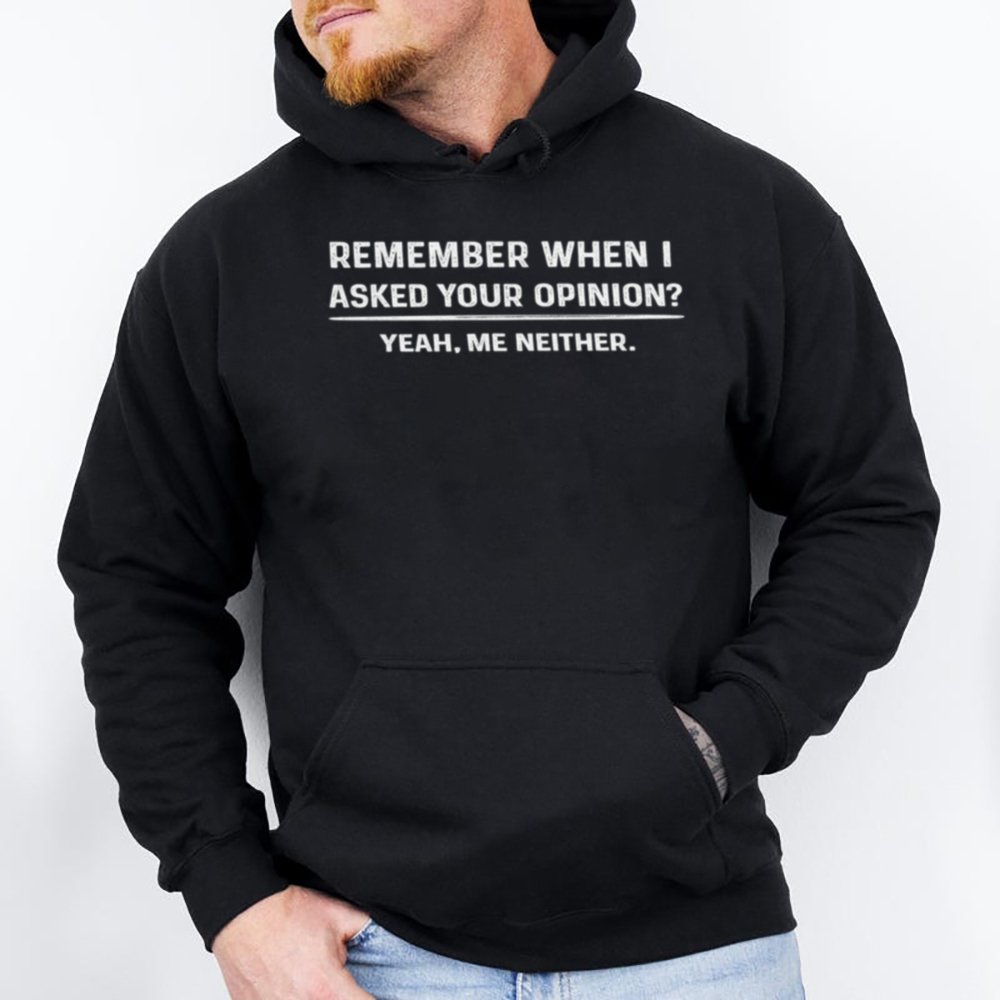
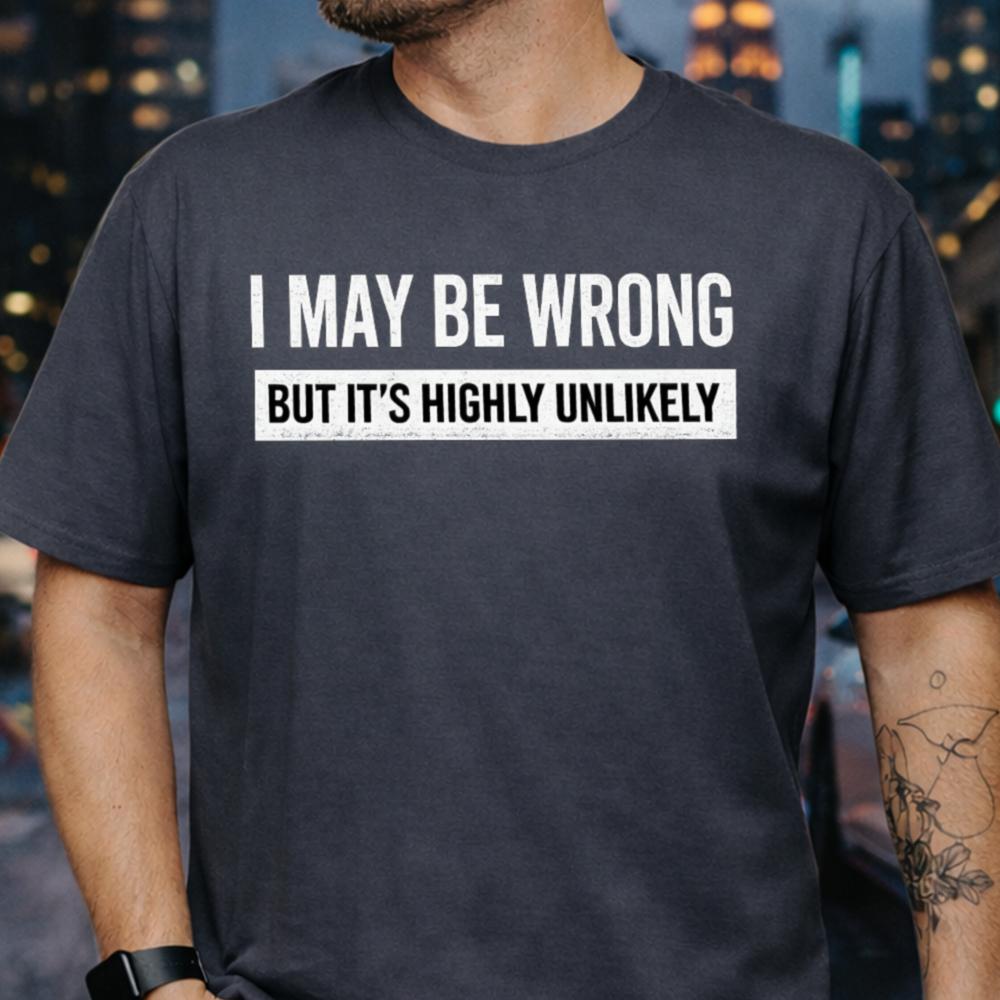
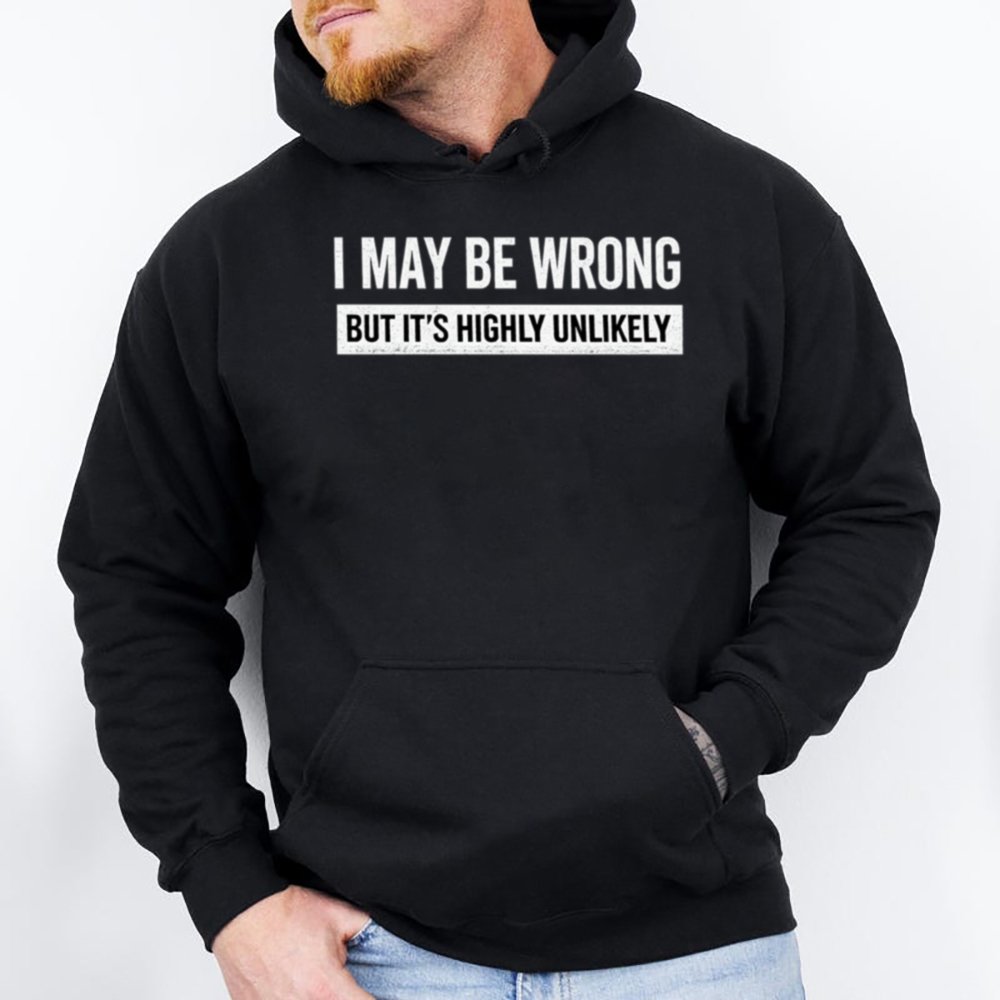
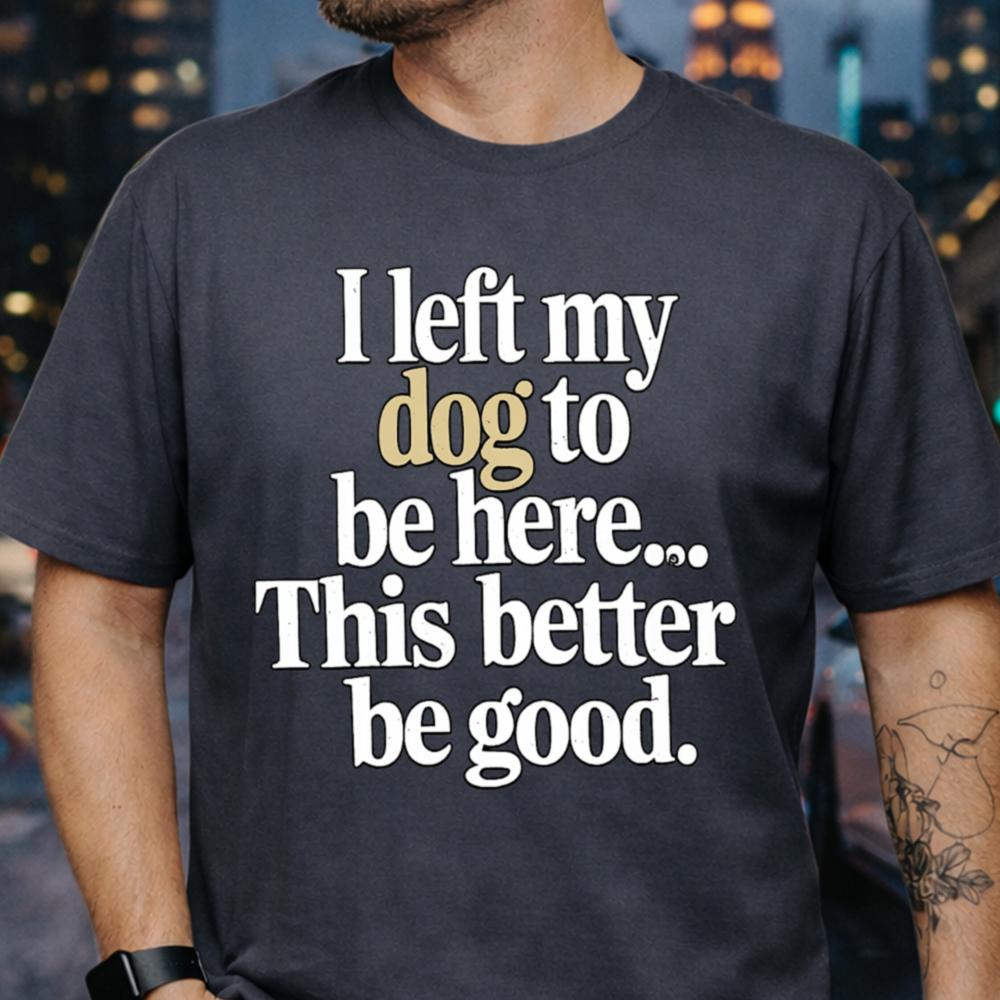
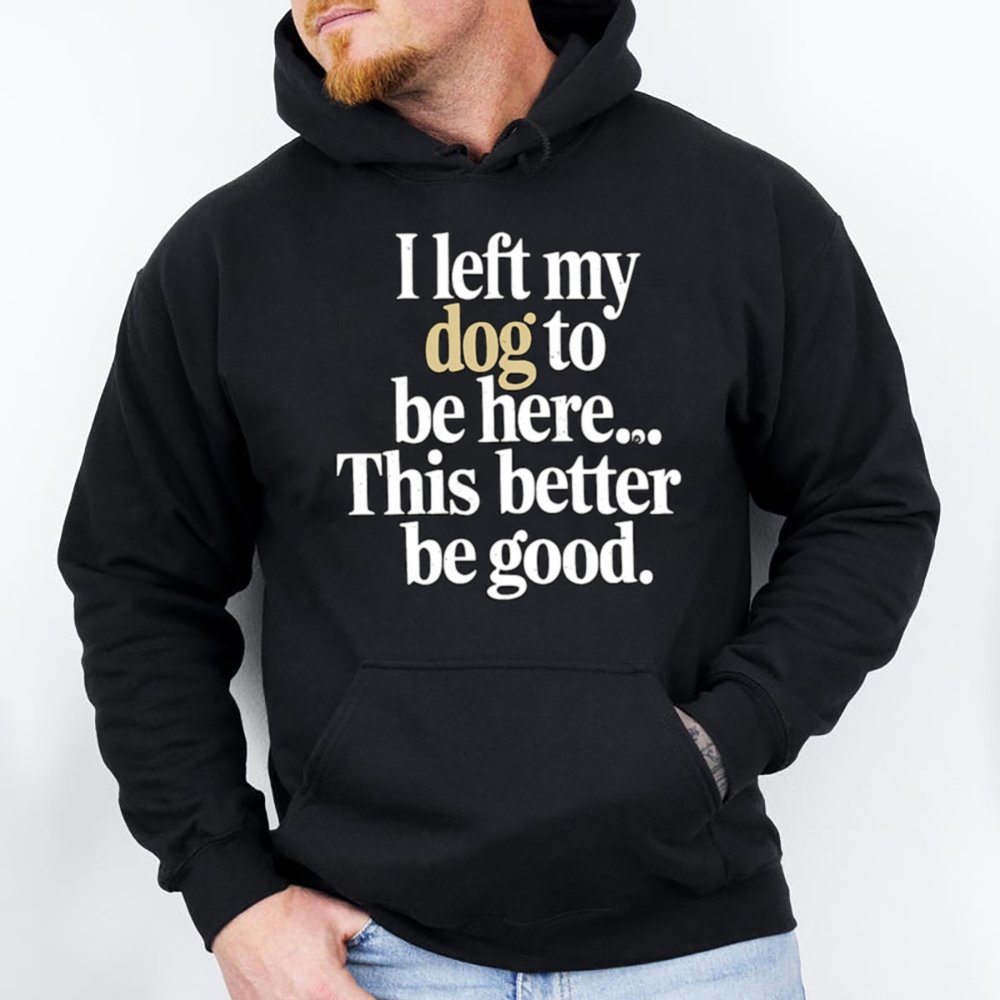
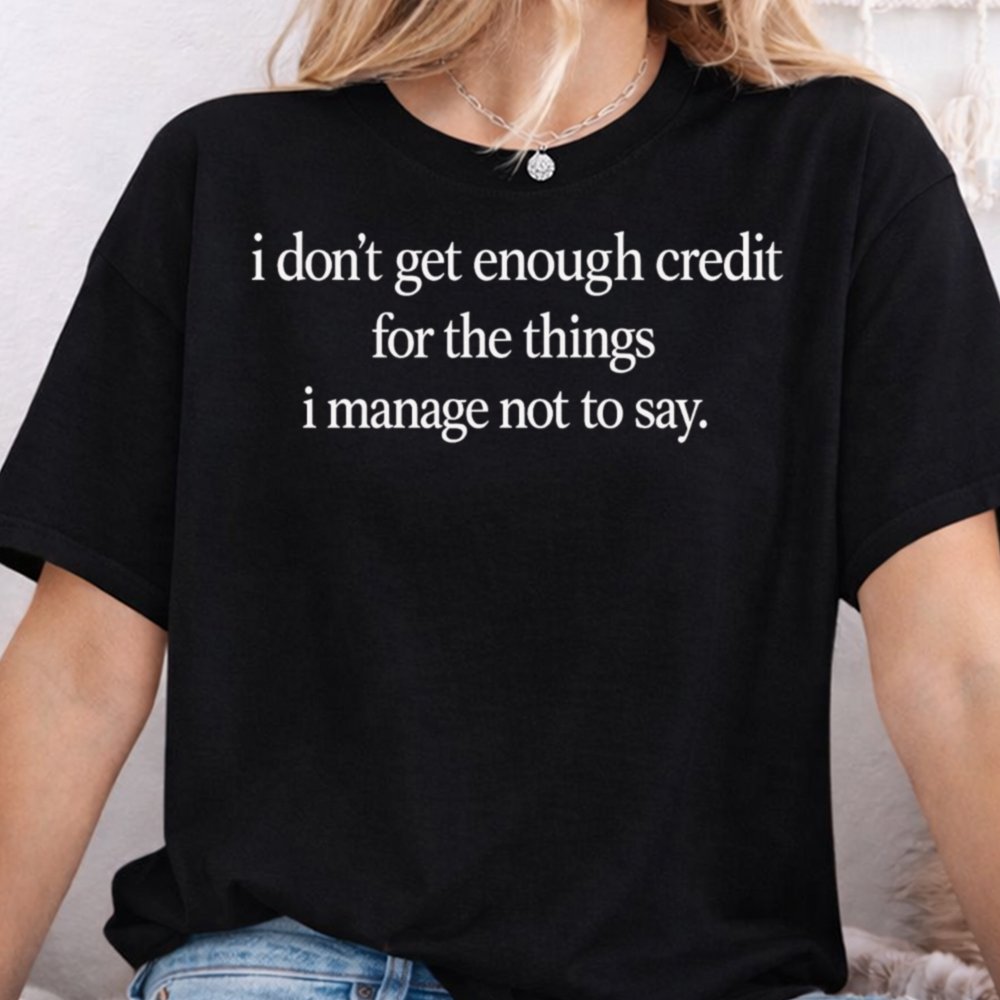
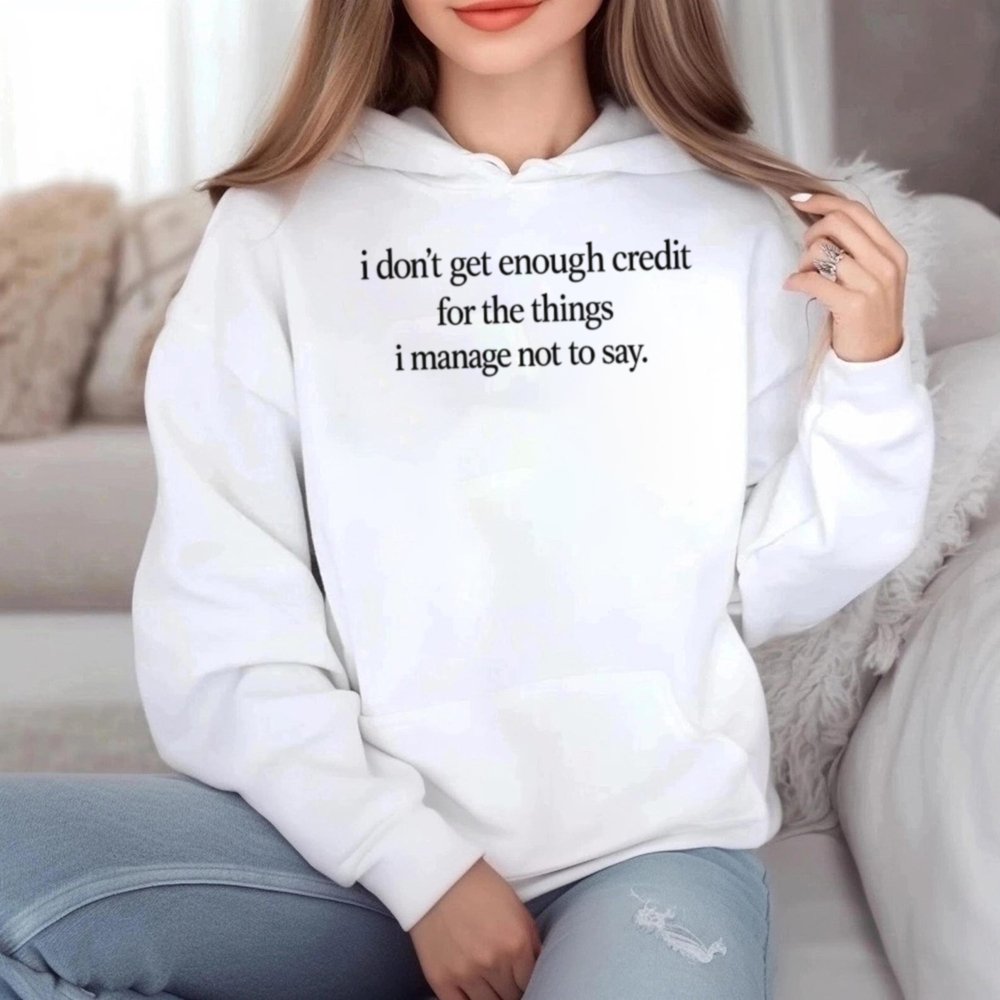
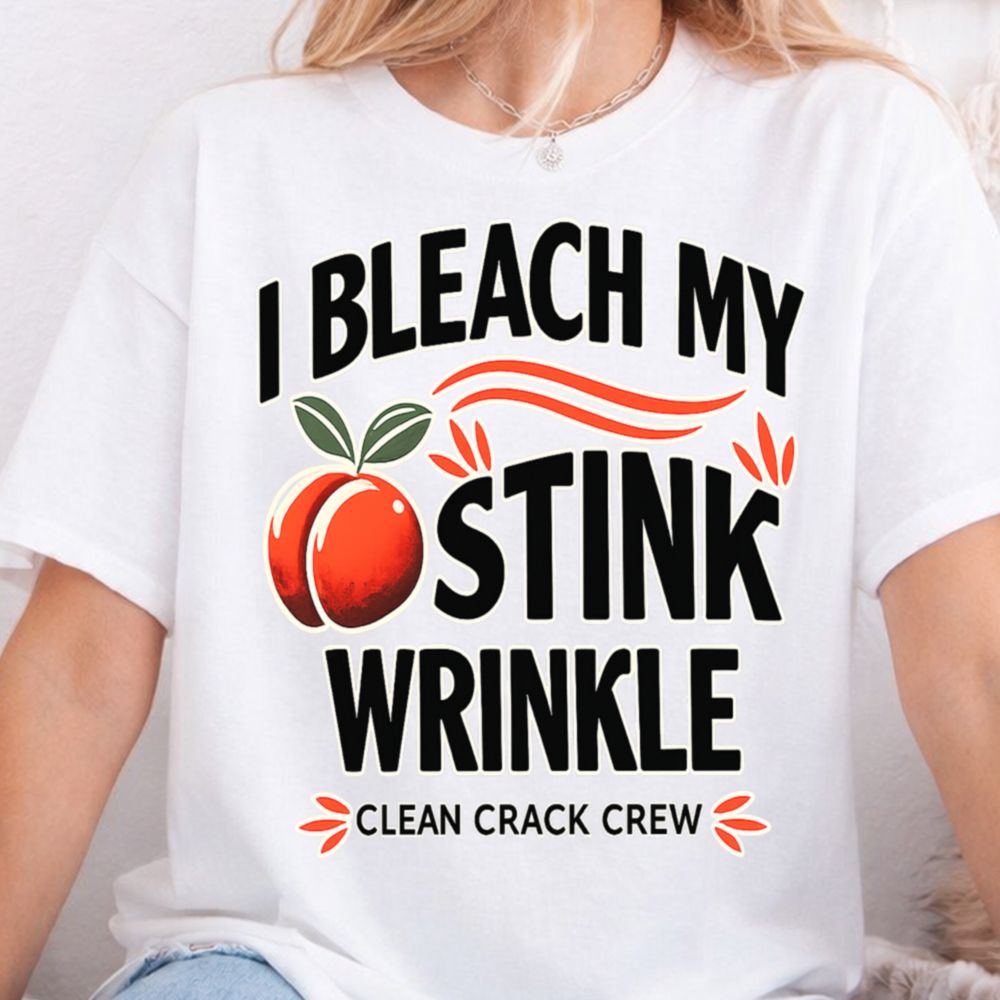
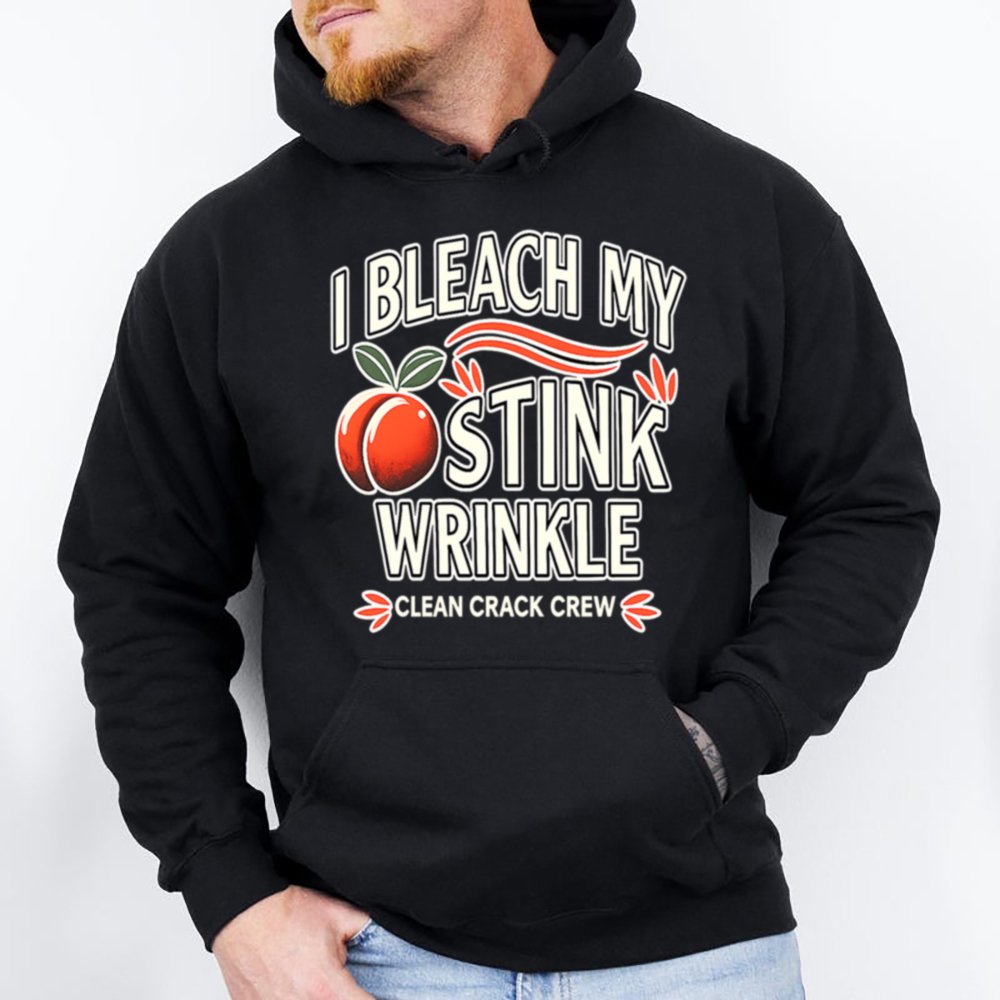
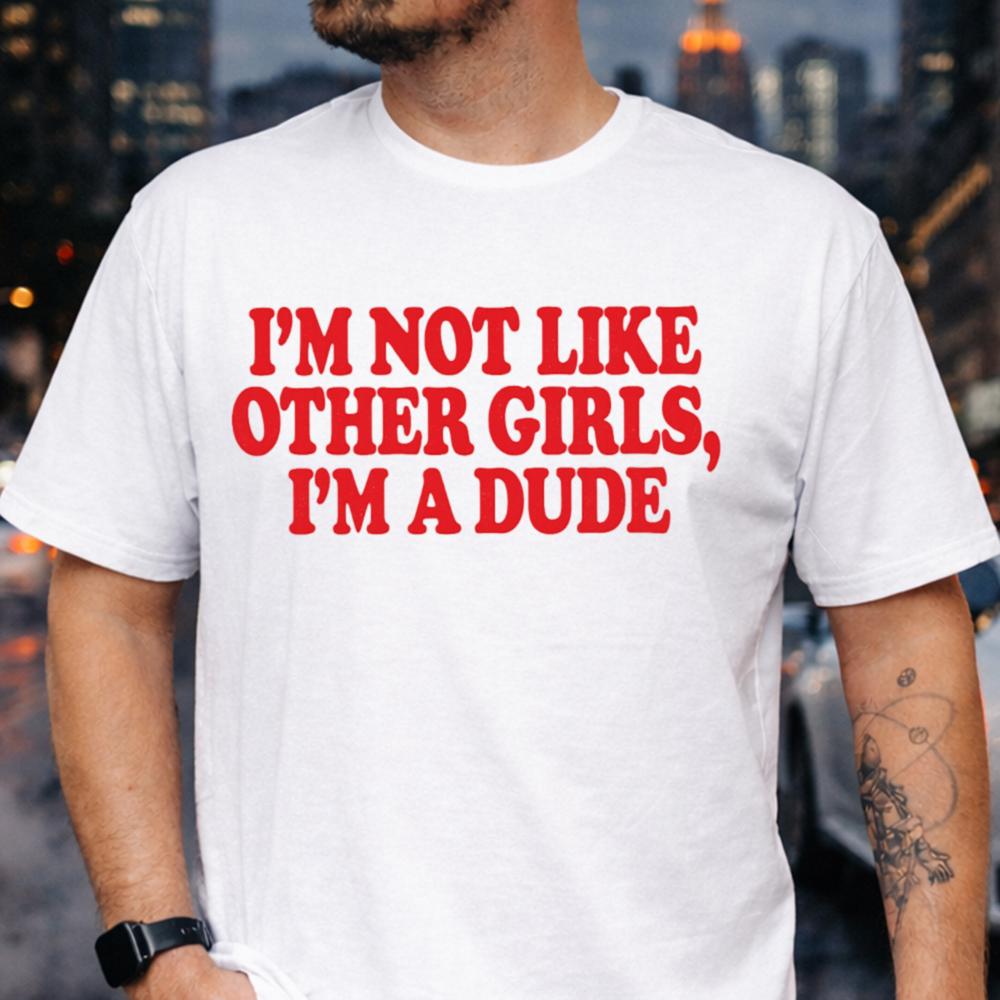
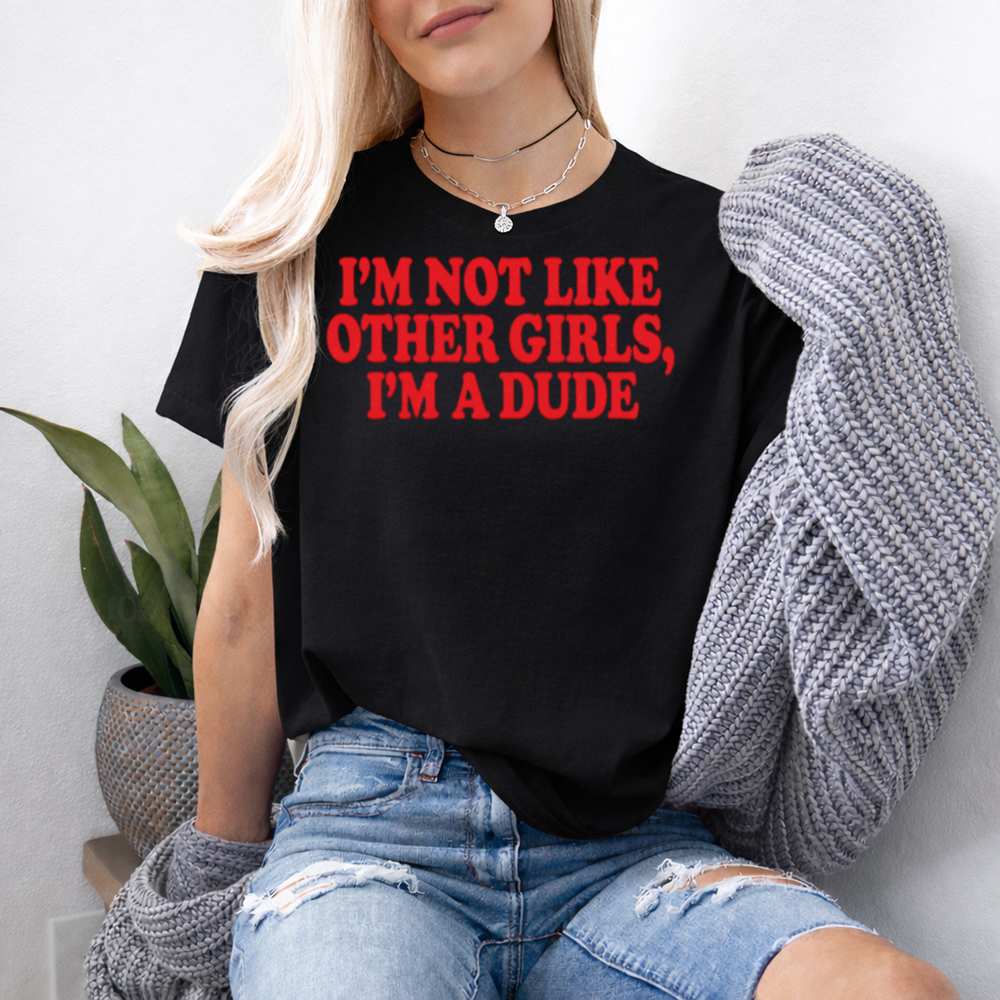
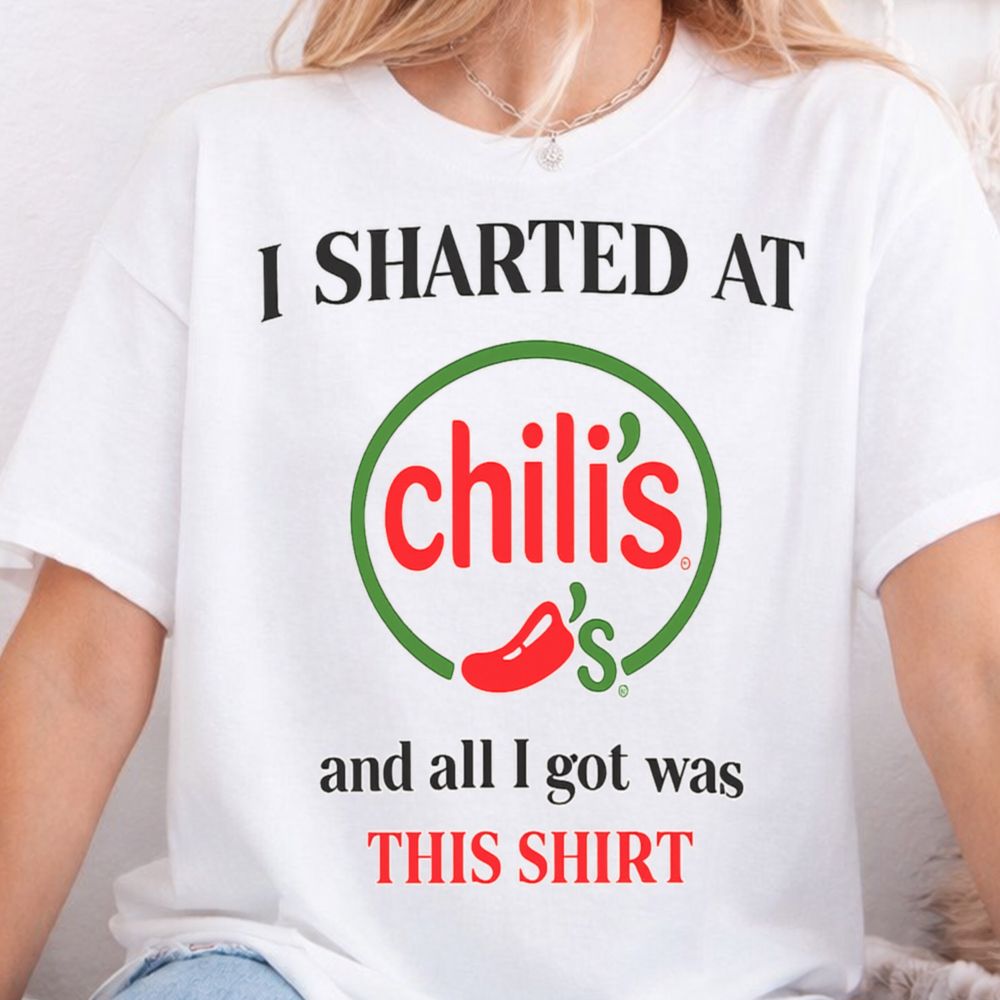
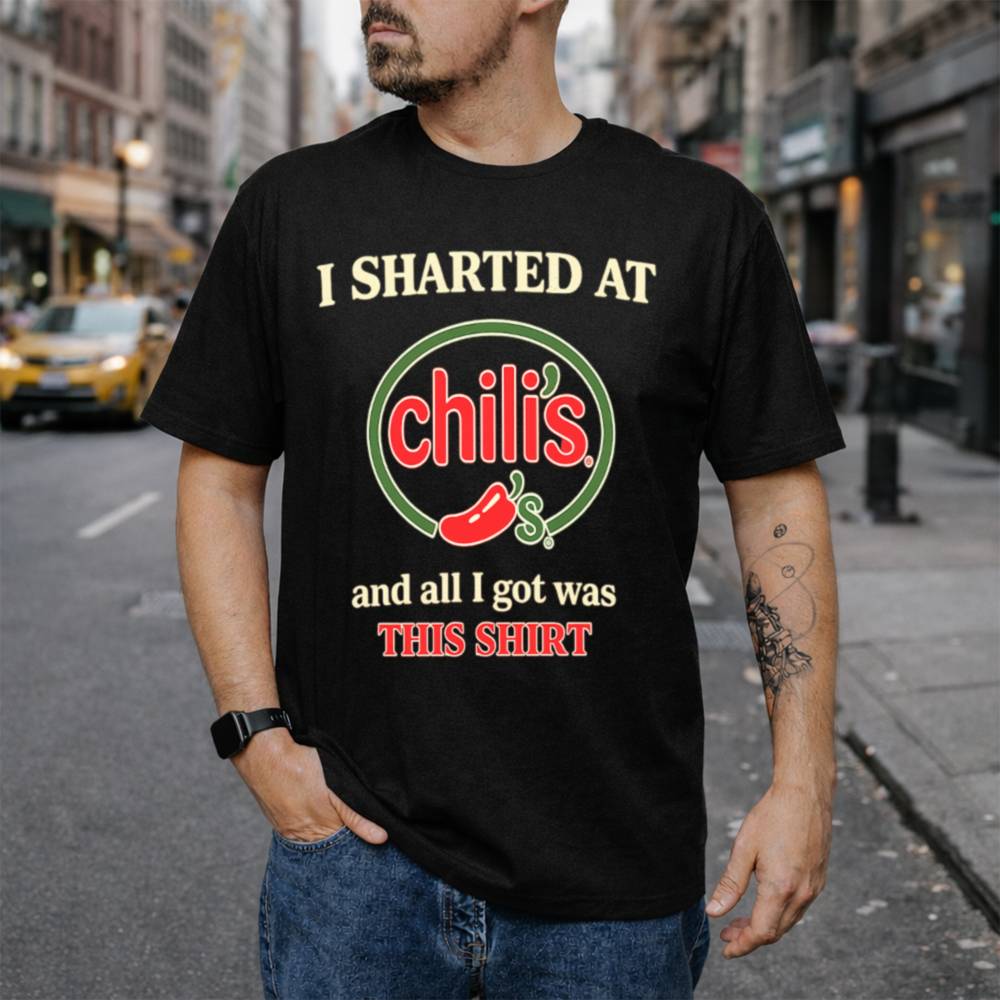
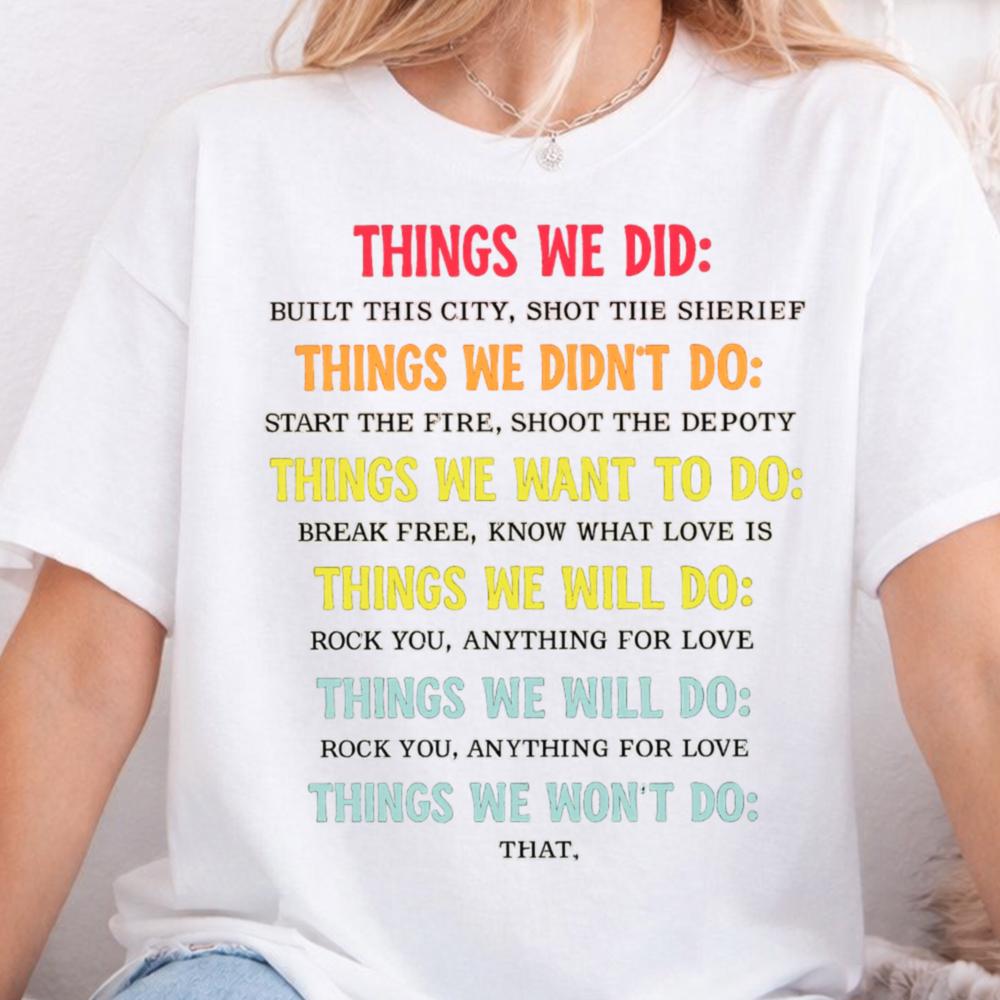
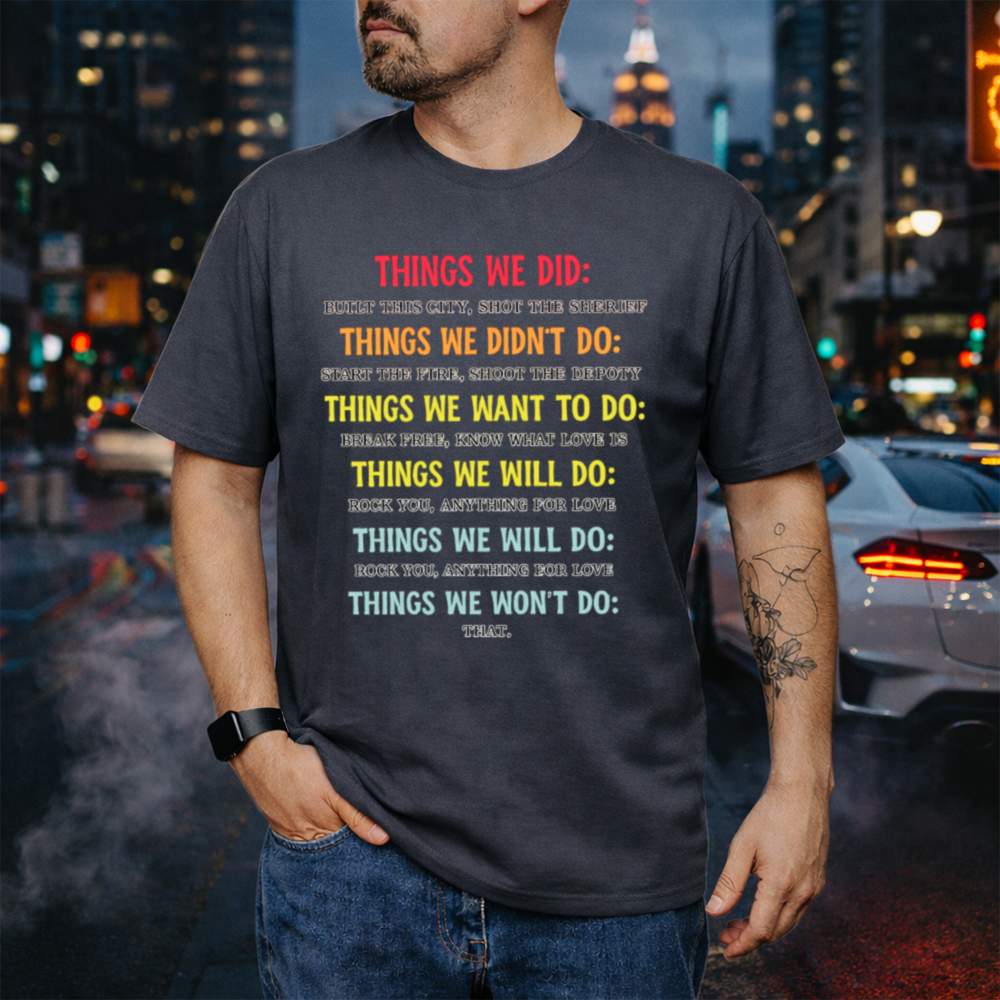
Inappropriate shirts for parties are everywhere from house parties and bachelorette weekends to crowded dive bars late at night. When they work, they’re instant icebreakers that get laughs and spark conversations. When they don’t, they can quietly (or very publicly) kill the vibe.
If you’ve ever hovered over the checkout button wondering Is this actually funny… or is this going to be awkward? you’re not alone. Wearing an inappropriate graphic tee isn’t just about the joke, it’s about timing, setting, and knowing who’s in the room.
This guide breaks down when inappropriate shirts for parties actually work, when they fail hard, and how to choose designs that land instead of backfire. Along the way, we’ll also help you browse our inappropriate shirts collection with more intention so you’re not just buying a joke, but a shirt you’ll actually want to wear.
Shock humor works because it breaks patterns. In a room full of safe outfits, an inappropriate shirt immediately signals a difference. It creates a micro-moment of surprise people notice, react, and often laugh before they’ve even processed why.
For a lot of women who wear these tees, it’s not about being offensive for the sake of it. It’s about irony, self-awareness, and that wink of I know this is wrong, and that’s the joke.
Graphic tees have evolved from casual basics into personality statements. An inappropriate shirt doesn’t just say something it positions you. It can signal:
In social settings, that signaling can be powerful when the room is right.
The most inappropriate shirts feel like they belong in the moment. They amplify what’s already there: loud energy, inside jokes, shared norms. When your shirt matches the emotional temperature of the room, it becomes part of the fun instead of a distraction.
Not all inappropriate shirts are created equal. There’s a big difference between:
Most people think they’re buying edgy or ironic until they wear it somewhere that reads it as offensive. If you’re unsure where your taste falls on that spectrum, our breakdown of offensive shirts vs inappropriate shirts explains the difference and why it matters long-term.
Inappropriate humor only works when there’s a shared baseline. Friends who already know your sense of humor? Higher tolerance. Strangers with mixed backgrounds? Much lower.
A shirt that kills at your friend’s birthday party might flop at a bar where no one knows you and no one owes you the benefit of the doubt.
The shirt didn’t change. The context did. Factors like age range, alcohol level, and why people are there all affect how humor lands. Inappropriate shirts are situational tools, not universal winners.
Private spaces come with built-in context. People are already relaxed, expectations are lower, and social norms are looser. This is where inappropriate shirts shine the most especially if most guests know each other.
These events are practically designed for boundary-pushing humor. If you’re shopping specifically for these occasions, check out shirts that work for bachelor parties; they’re usually bold, playful, and designed to match the chaos.
Loud environments, big crowds, and a sense of collective nonsense make these settings forgiving. Inappropriate shirts here are often just part of the visual noise in a good way.
If the theme is already ironic, trashy, or exaggerated, an inappropriate shirt isn’t risky, it’s brief.
Dive bars tend to reward boldness. Cocktail lounges reward restraint. Wearing the same shirt to both can produce wildly different outcomes.
If nightlife is your main use case, look for bar-friendly graphic tees that balance edge with readability and tone.
Younger crowds and later hours increase tolerance. Early evening, mixed-age crowds? That’s when even a mild “inappropriate” joke can feel off.
Bartenders and security set the real boundaries. If the staff looks uncomfortable, it doesn’t matter how funny your friends think your shirt is.
If you have to ask, Is this okay around kids? it’s not.
Even in “casual” industries, inappropriate shirts can quietly damage how you’re perceived. Humor doesn’t always translate into credibility.
Airports, malls, and coffee shops are neutral zones. People didn’t opt into your joke.
Intent doesn’t override impact. If the room didn’t agree to the joke, explaining it won’t help.
Start with the event, not the shirt. Ask yourself who’s there, why they’re there, and how much shared context you actually have.
Self-deprecation, absurdity, and irony tend to age better than shock-for-shock’s-sake.
If you’re torn between hinting and going all-in, this comparison of subtle vs explicit inappropriate shirts helps clarify which style actually gets worn more often.
Text makes people read and think. Visual humor hits faster and often feels lighter. When in doubt, simpler usually lands better.
What feels funny after two drinks might feel like too much after six. Plan accordingly.
An oversized tee with intentional styling reads playful. A poorly fitted shirt can be careless. If you want practical tips, see how fit and styling affect perception.
Like it or not, women often get more leeway with edgy humor but also more scrutiny. Styling and delivery matter more than people admit.
If you look uncomfortable, the shirt looks worse. Confidence sells the joke; insecurity exposes it.
The best stories usually involve timing: walking into the right room, at the right moment, with a joke that matched the energy perfectly.
Almost every wearer has that story, the one that teaches restraint better than any guide ever could.
The shirt isn’t magic. Judgment is.
They’re best for people who enjoy attention, read social cues well, and don’t mind mixed reactions.
Having mild, medium, and full-send options gives you flexibility and fewer regrets.
Impulse buys are how closets fill with unworn jokes. Intentional buying leads to shirts that actually get worn.
It depends on who’s hosting and who’s attending. For private birthday parties with friends who share your sense of humor, inappropriate shirts often work well and even become conversation starters. For mixed-age or family-heavy birthday gatherings, they’re far more likely to miss the mark. When in doubt, choose a milder, more ironic design instead of explicit humor.
In most cases, yes but venue culture matters more than legality. Dive bars and late-night spots tend to be more tolerant, while upscale cocktail lounges often have stricter dress expectations. If staff or security seem uncomfortable, that’s your cue that the shirt crossed the venue’s unwritten rules, even if it’s technically allowed.
Subtle, implied humor is usually the safest entry point. Designs that rely on wordplay, irony, or visual jokes land more consistently than explicit phrases. If you’re new to wearing inappropriate shirts, start with something that rewards people who “get it” instead of shocking everyone in the room.
Generally, yes. Public spaces like festivals can work, but everyday public settings airports, malls, coffee shops come with no shared context. People didn’t opt into your joke, which makes even mild humor feel awkward. In these environments, the risk almost always outweighs the reward.
Match the joke to the setting, not just your sense of humor.
If people can’t read it or it looks cheap the joke dies fast.
When chosen well, inappropriate shirts don’t ruin the party, they become part of it.
If you’re ready to upgrade your lineup, browse our inappropriate shirt collection for designs that actually match different moments, moods, and settings without locking you into one risky joke you’ll never wear again.