Shopping Cart

Your cart is currently empty
Looks like you haven’t added anything to your cart yet.
← Return to Shop
Looks like you haven’t added anything to your cart yet.
← Return to Shop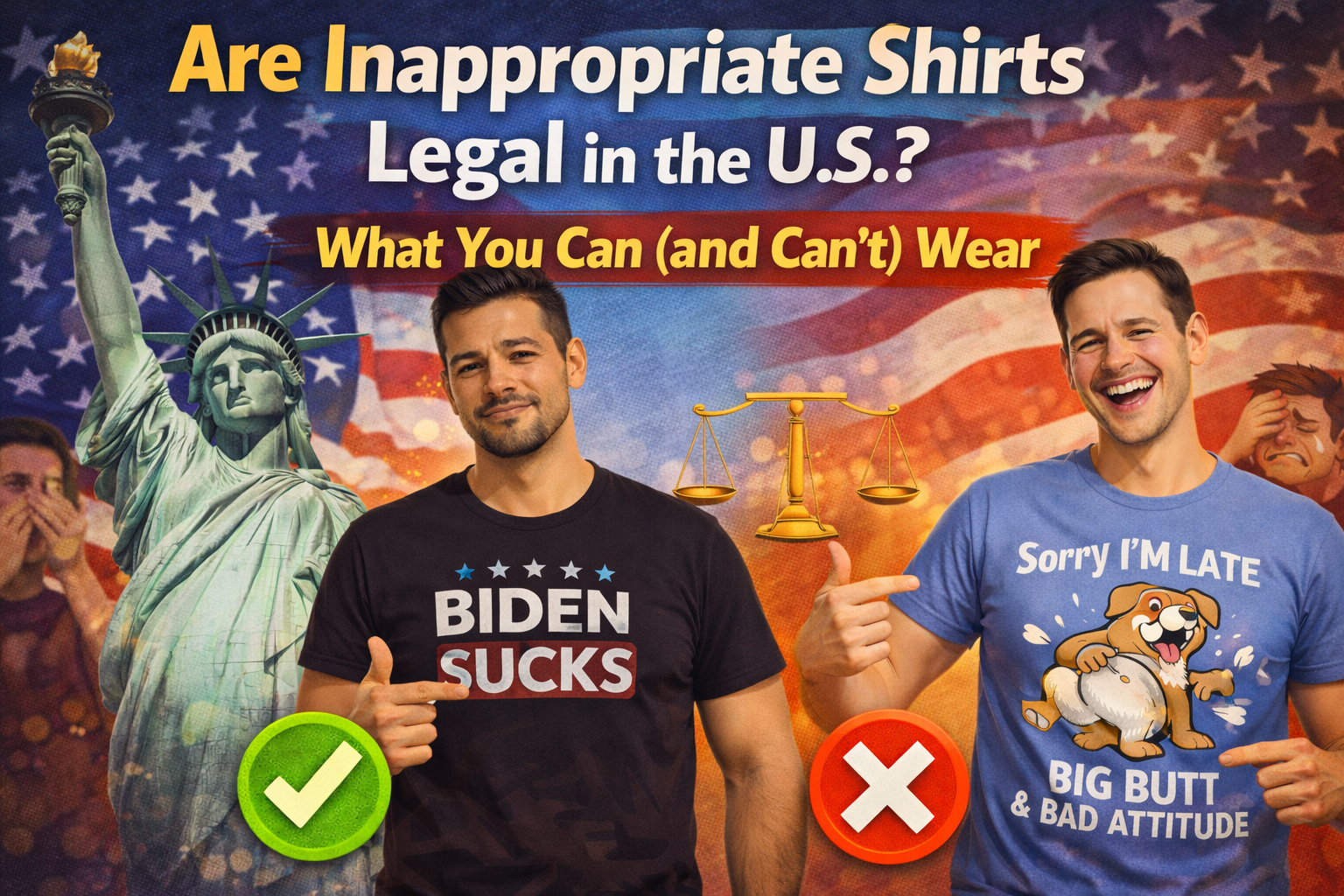
Are inappropriate shirts legal in the United States? If you’ve ever hovered over the checkout button wondering whether a bold graphic tee could actually get you in trouble, you’re not alone. The internet is full of hot takes, viral horror stories, and half-true warnings that make it seem risky to wear anything remotely offensive outside your house.
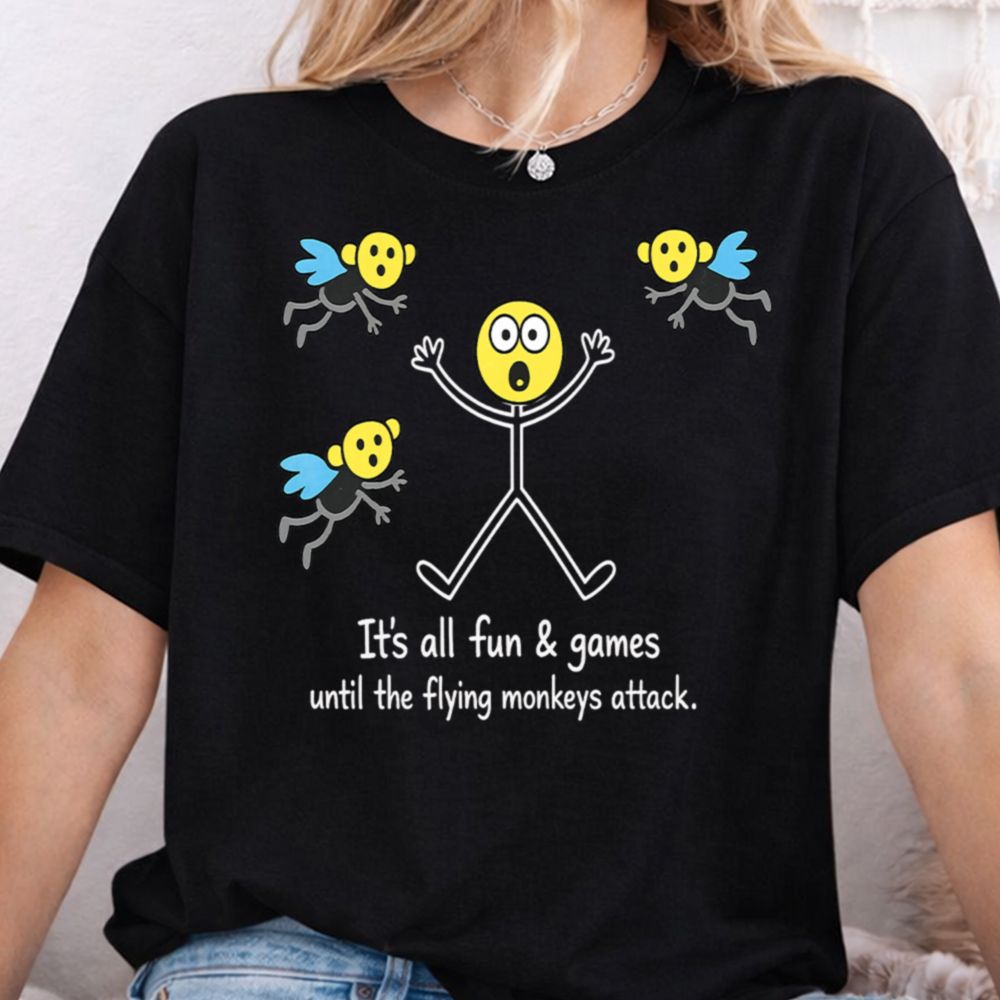
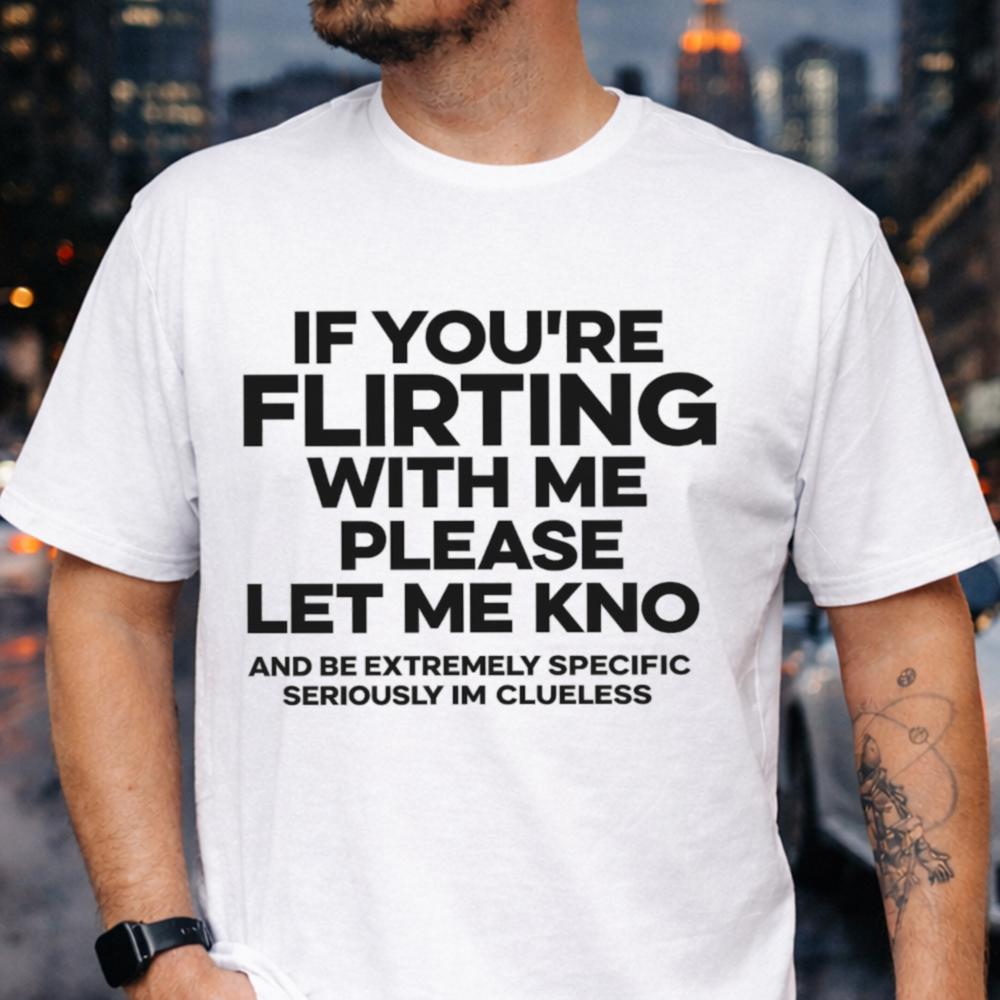
This guide breaks down the real legal landscape: no scare tactics, no fake confidence. Just how things actually work in the U.S., what free speech really protects when it comes to clothing, and what happens in real life when people wear edgy shirts in public. And yes, if you’re browsing our inappropriate shirts collection or comparing different styles of edgy graphic tees, this context matters more than most people realize.
Graphic tees have shifted from basic slogans to full-blown personality statements. Sarcasm, dark humor, and shock-value designs are everywhere from social feeds to bars to concerts. As humor gets bolder, people naturally start wondering where the legal boundaries are.
No one wants to buy a shirt and then worry it’ll get them fined, arrested, or escorted out by security. Viral stories (often missing context) amplify that fear and make it feel like wearing the “wrong” shirt could spiral fast.
This is the biggest issue. A lot of people assume that if someone is offended, the shirt must be illegal. That’s not how U.S. law works but the misunderstanding is common. If you want a deeper breakdown of definitions, this guide on what actually makes a shirt ‘inappropriate’ helps clarify the difference.
In the U.S., clothing is considered a form of expression. That means most graphic tees, even crude, sarcastic, or offensive ones are protected under free speech principles.
Legality isn’t based on feelings. A shirt can offend a lot of people and still be completely lawful to wear in public spaces. There’s no “offense threshold” that turns a graphic tee into a crime.
Where problems arise, it’s usually about where you’re wearing the shirt, not the design alone. Context matters more than content in most cases.
This article provides general informational guidance, not legal advice. Laws, enforcement practices, and venue policies can vary by state, city, and situation. What is legal in one context may be restricted in another. When in doubt, local regulations and property rules matter more than online opinions or social media stories.
Courts generally treat graphic tees as expressive conduct. That means messages, symbols, and words on clothing usually receive constitutional protection.
This is where people get tripped up. Profanity and crude jokes are not the same as obscenity. Obscenity has a very narrow legal definition, and most graphic tees don’t come close to meeting it.
Obscenity requires explicit criteria involving serious lack of value and extreme content. Sarcasm, sexual jokes, swear words, and shock humor almost never qualify even if someone really dislikes them.
While free speech protections are strong in the U.S., they are not unlimited. Time, place, and manner restrictions allow certain environments to set boundaries even when speech itself is lawful. That’s why the same shirt can be fine on a sidewalk but restricted inside a courthouse or school.
Schools have broader authority to regulate clothing, especially when minors are involved. What’s legal on the street might not fly on campus.
Courthouses, DMVs, and similar spaces often have dress codes tied to maintaining order. You might not be arrested but you can be denied entry.
Restaurants, gyms, and stores can enforce their own rules. They’re allowed to refuse service or ask you to leave based on attire.
Most issues happen when situations escalate. The shirt itself rarely causes trouble, arguments, refusal to leave, or aggressive behavior.
These are traditional public forums. You generally have the strongest speech protections here, including what you wear.
These are usually private property, even if the public is invited. Owners can set rules about clothing. This is where inappropriate shirts usually fly or don’t depending on the venue.
Being asked to leave isn’t punishment; it’s property rights. Refusing to leave is what can create legal issues, not the shirt.
Honestly? Not often. Most people wear edgy shirts without any reaction beyond a laugh, side-eye, or compliment.
Action usually only happens after multiple complaints and escalation. Staff typically start with a polite request, not security or police.
People who read the room and stay calm rarely have issues. The same shirt can land very differently at a concert versus a family brunch spot.
Arrests almost never happen because of a shirt alone. When they do, it’s usually tied to threats, refusal to comply, or unrelated behavior.
Police generally de-escalate. That usually means suggesting you leave an area not handcuffs.
Being told to move along isn’t detention. Detention involves suspicion of a crime, which offensive clothing by itself usually doesn’t meet.
Anything that appears to threaten harm or target individuals directly can cause real problems.
This is never protected. Full stop.
General offensiveness is usually protected. Targeted harassment can cross into unprotected territory, and this breakdown of funny versus offensive humor helps explain where that line is drawn.
Bars, concerts, festivals? Usually fine. Work meetings or family events? Probably not the moment.
Late-night venues tolerate more than daytime errands. Context shapes reactions more than designs.
The best shirts get laughs and side-eye not full shutdowns. There’s an art to it.
American culture has a long relationship with irreverence. Shirts are just one more outlet.
People wear graphic tees to telegraph humor, values, or attitude especially online and in nightlife scenes.
Internet outrage doesn’t equal legal consequences. Most “controversies” never leave comment sections.
Understanding legality is one thing. Choosing designs that fit your personality and where you actually plan to wear them is another. Many people browsing inappropriate shirts are less worried about legality and more focused on social context, humor style, and confidence.
Are inappropriate shirts illegal in the United States?
In most cases, no. Inappropriate or offensive shirts are generally legal in public spaces under free speech protections, as long as they don’t involve threats, harassment, or illegal content.
Can you get arrested for wearing an offensive shirt?
Arrest is extremely rare and usually involves escalation, refusal to comply with lawful requests, or unrelated behavior. The shirt alone is almost never the cause.
Can private businesses kick you out for wearing an inappropriate shirt?
Yes. Private property owners can enforce dress codes and ask customers to leave. Refusing to leave can create legal issues not the shirt itself.
Are graphic tees protected under free speech laws?
Generally yes, especially in public forums. However, protections can change based on location, context, and the type of message displayed.
What kinds of shirts are not legally protected?
Shirts involving threats, harassment, incitement to violence, or explicit sexual content involving minors are not protected.
Legally, you’re probably fine. Socially, it’s about what you want to deal with.
If you like the shirt and understand the context, that’s usually enough.
For a lot of people, the reaction is fun. If that’s you, browse our inappropriate shirts collection or check out fan-favorite inappropriate designs and wear them like you mean it.
Knowing the legal landscape removes unnecessary fear. From there, it becomes a personal decision about expression, comfort, and context not legality. Most people who wear inappropriate shirts do so without incident, simply because they understand where and how to wear them.